Introduce air
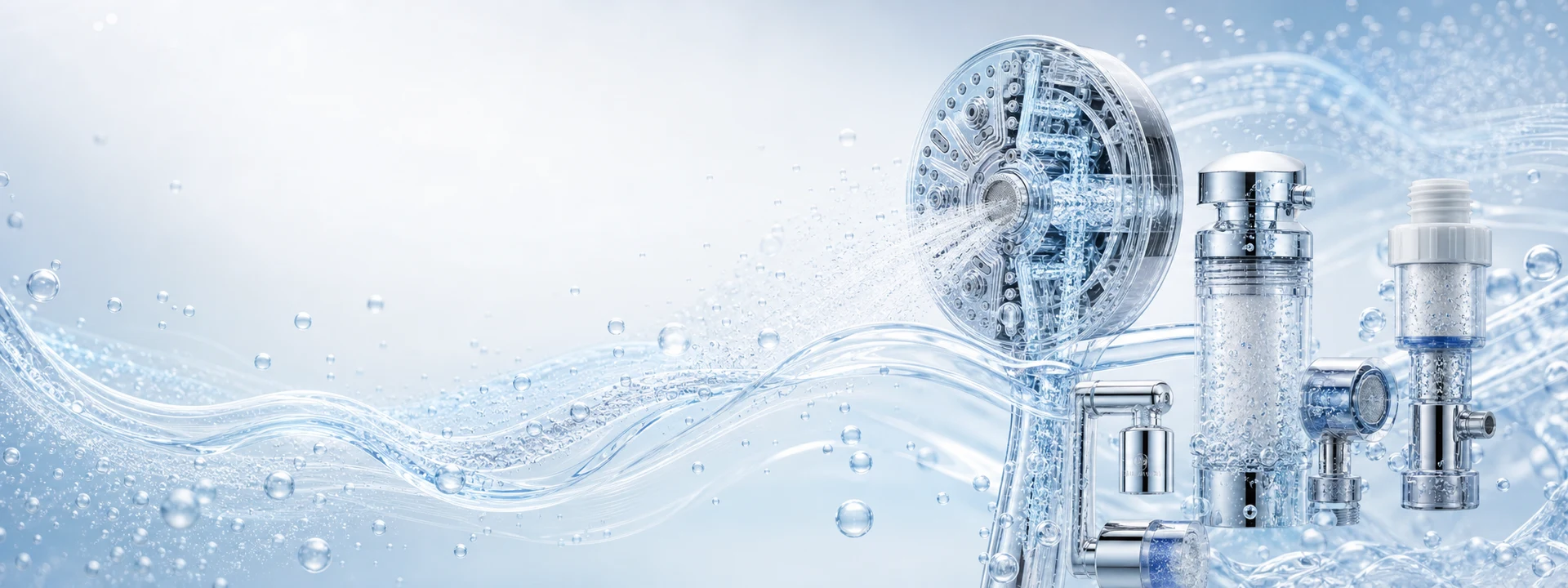
The inlet structure creates the conditions for air and water to meet.
 THANK NATUREMICRO BUBBLE WATER
Technology
A buyer-friendly explanation of bubble scale, water contact, product structure, and responsible performance claims.
The principle
A product draws air into moving water, mixes the two through a purpose-built internal structure, and releases a flow containing fine bubbles.
The inlet structure creates the conditions for air and water to meet.
Internal channels and aeration components divide air into a finer bubble flow.
The outlet is designed around showering, sink rinsing, or laundry inlet water.
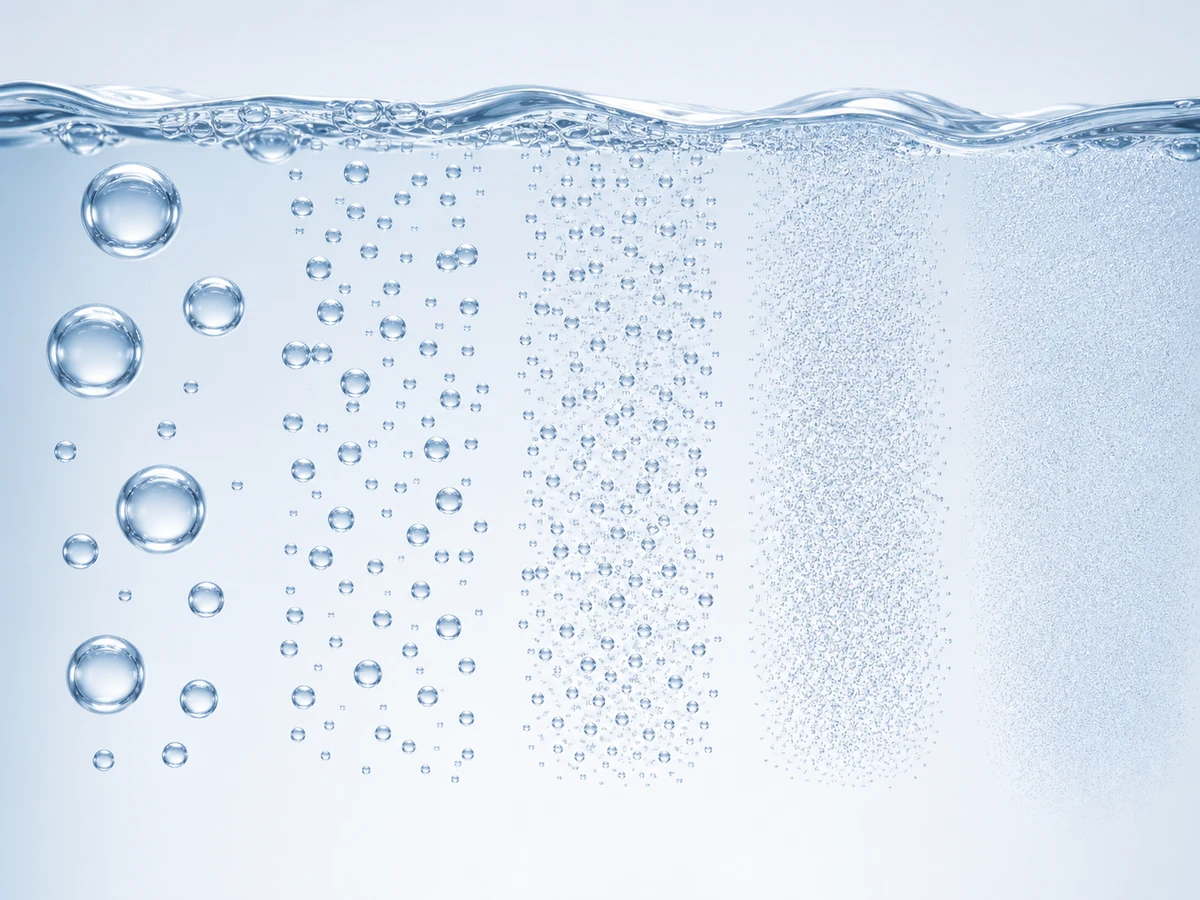
Bubble scale
Microbubble and nanobubble terminology describes different size ranges and behavior. Product performance depends on generation method, concentration, water conditions, and application, not on a label alone.
Compare bubble types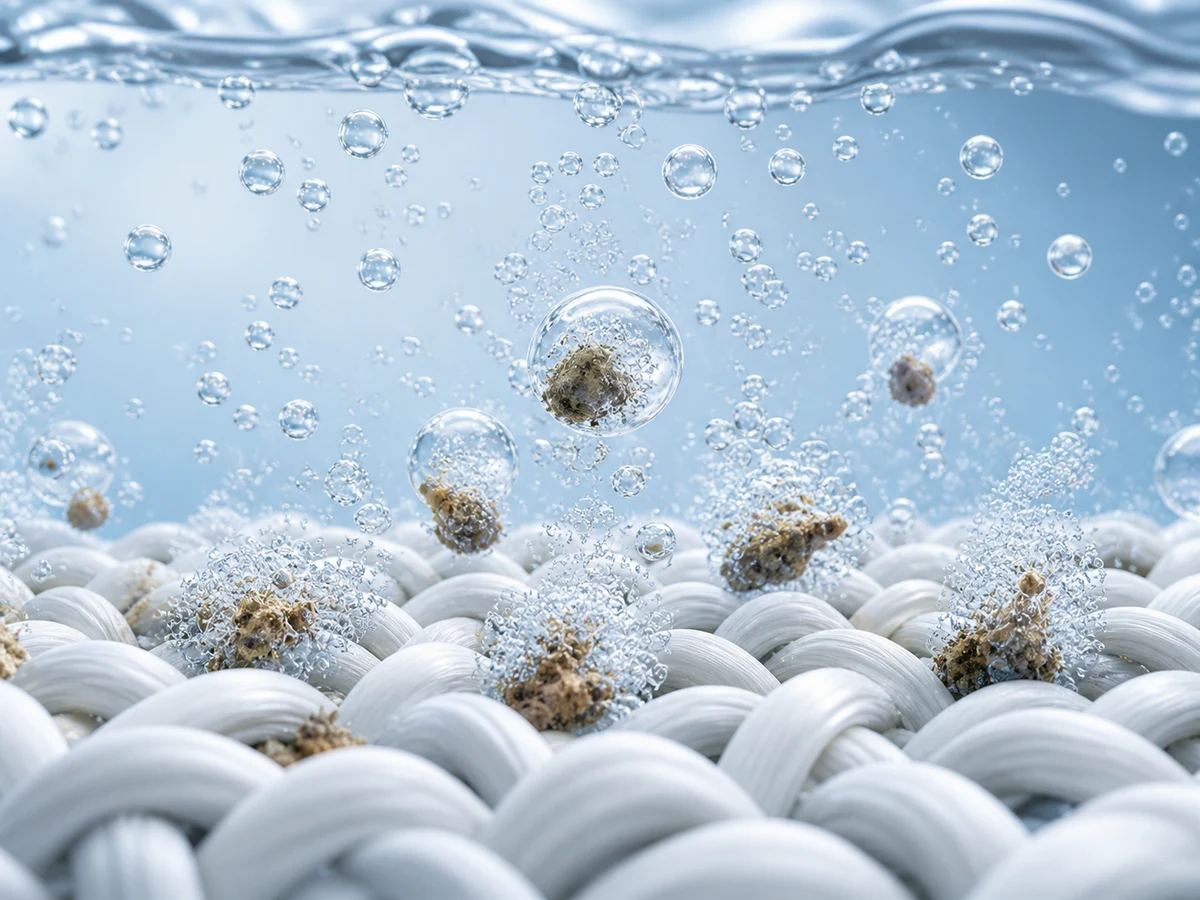
Responsible evidence
Clear product pages explain the mechanism and intended use, while numerical cleaning, water-saving, sterilization, or health claims must be tied to applicable test conditions and reports.
Technology FAQ
No. They refer to different size ranges and can behave differently in water. Exact definitions and measurement methods should be stated with technical data.
No universal claim should be made. Results depend on the contaminant, surface, water conditions, exposure time, and tested product.
No. Bubble generation and filtration are different functions. A product should only claim filtration for substances supported by its filter design and test evidence.
Technical inquiry