Shower guide
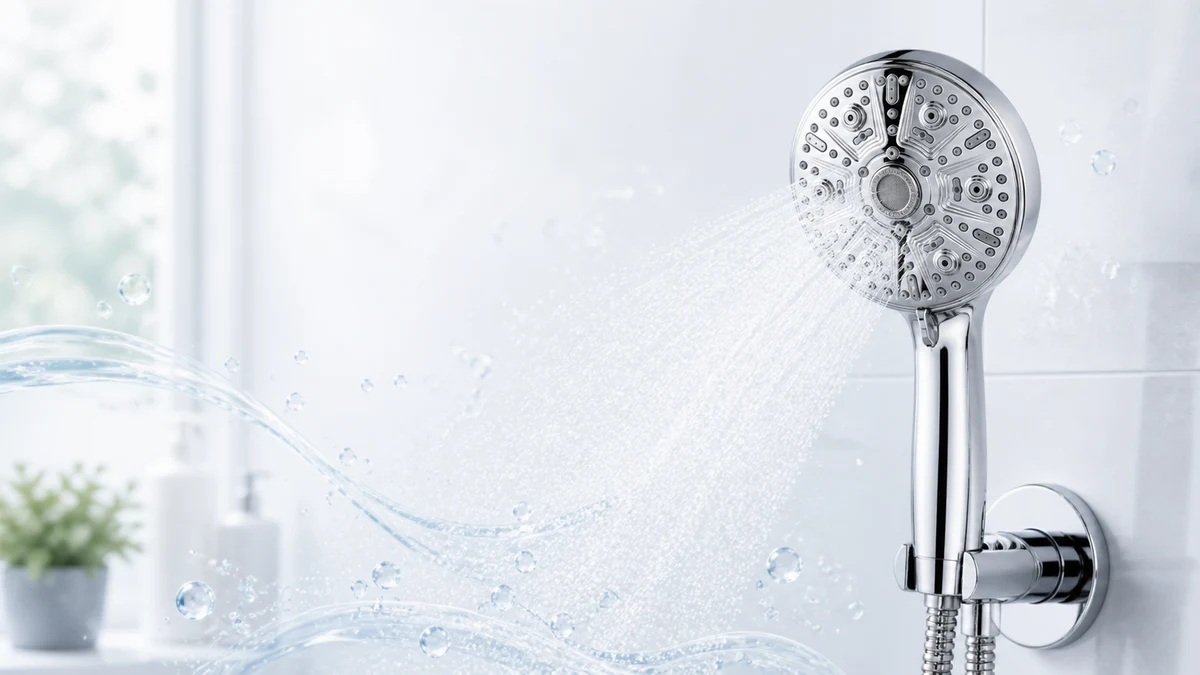
What Is a Microbubble Shower Head?
A microbubble shower head introduces very fine air bubbles into the water stream. The goal is to change how water contacts skin, hair, and surface residue during an ordinary shower.
Read guide → THANK NATUREMICRO BUBBLE WATER
Learning center
Practical guides for buyers researching microbubble shower heads, nanobubble technology, lower-chemical routines, produce rinsing, and laundry.
Shower guide
A microbubble shower head introduces very fine air bubbles into the water stream. The goal is to change how water contacts skin, hair, and surface residue during an ordinary shower.
Read guide →
Technology
Microbubbles and nanobubbles are both smaller than the bubbles people usually see, but they differ in scale, behavior, and the equipment used to create them.
Read guide →
Buyer guide
The useful question is not whether every microbubble product makes the same promises. It is whether the product has a credible bubble-generating structure, transparent specifications, and a benefit that can be experienced in daily use.
Read guide →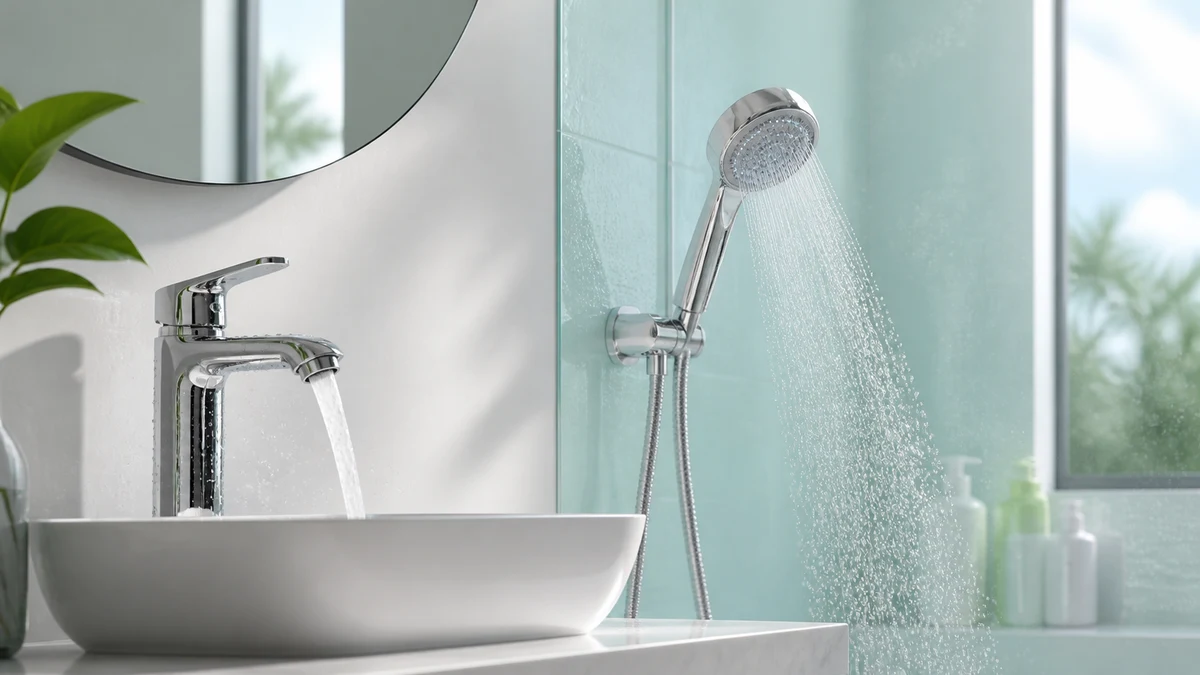
Lower-chemical living
A lower-chemical bathroom is built through small changes: better rinsing, sensible product dosing, regular maintenance, and water hardware designed for everyday cleaning tasks.
Read guide →
Kitchen guide
For most everyday produce washing, clean running water, friction, and careful handling are the foundation. Fine bubble water can support a water-first rinsing routine without encouraging stronger chemical formulas.
Read guide →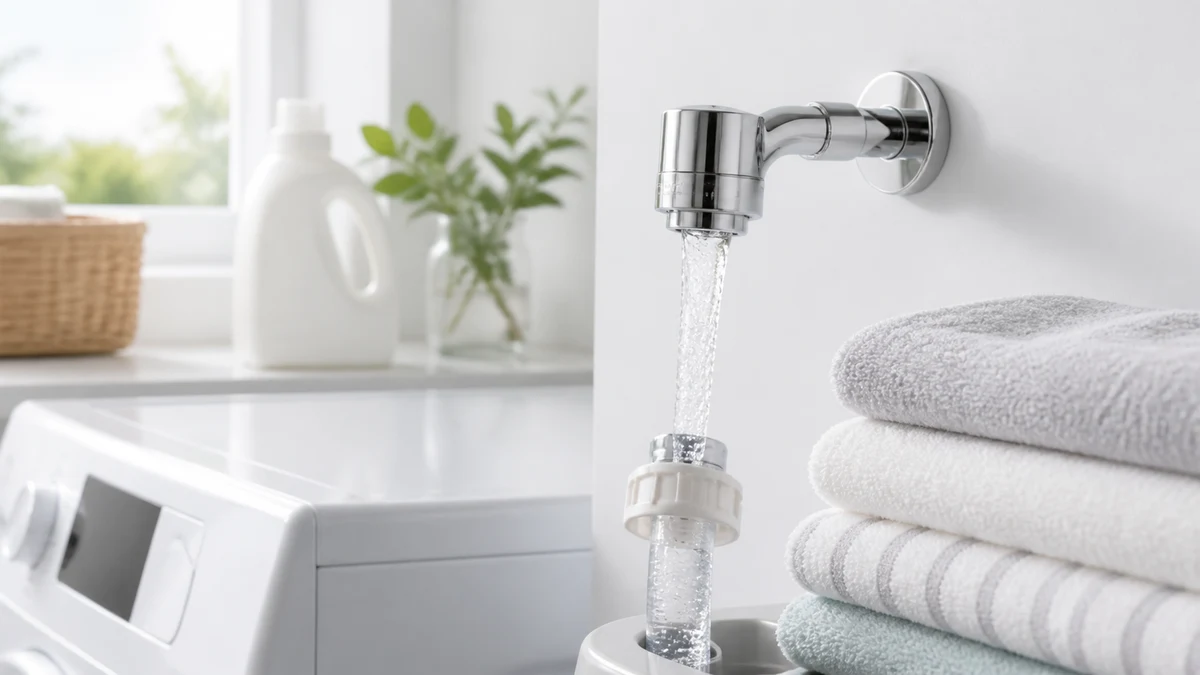
Laundry guide
Detergent dose depends on load size, soil level, washer design, and water conditions. Fine bubble inlet water can support the goal of better contact and rinsing, but dosage changes should be tested gradually.
Read guide →Latest guides
November 13, 2026
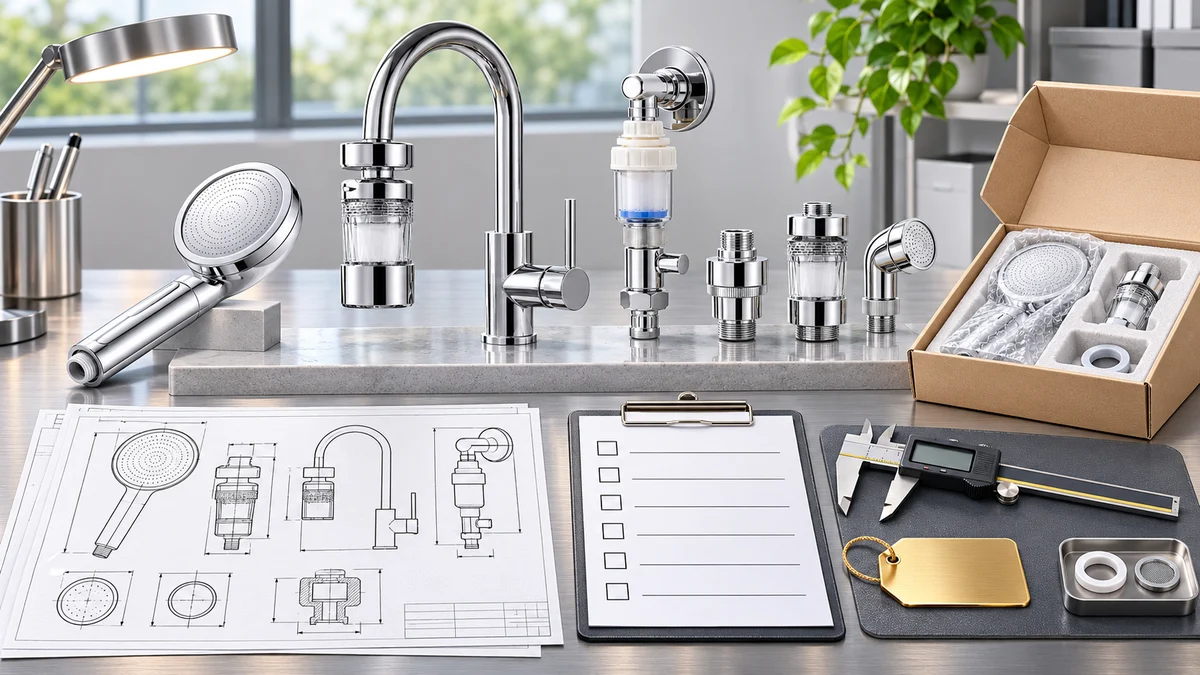
Audit product identity, evidence, materials, production controls, testing, change management, parts, packaging, warranty, and support before placing an OEM order.
Read guide →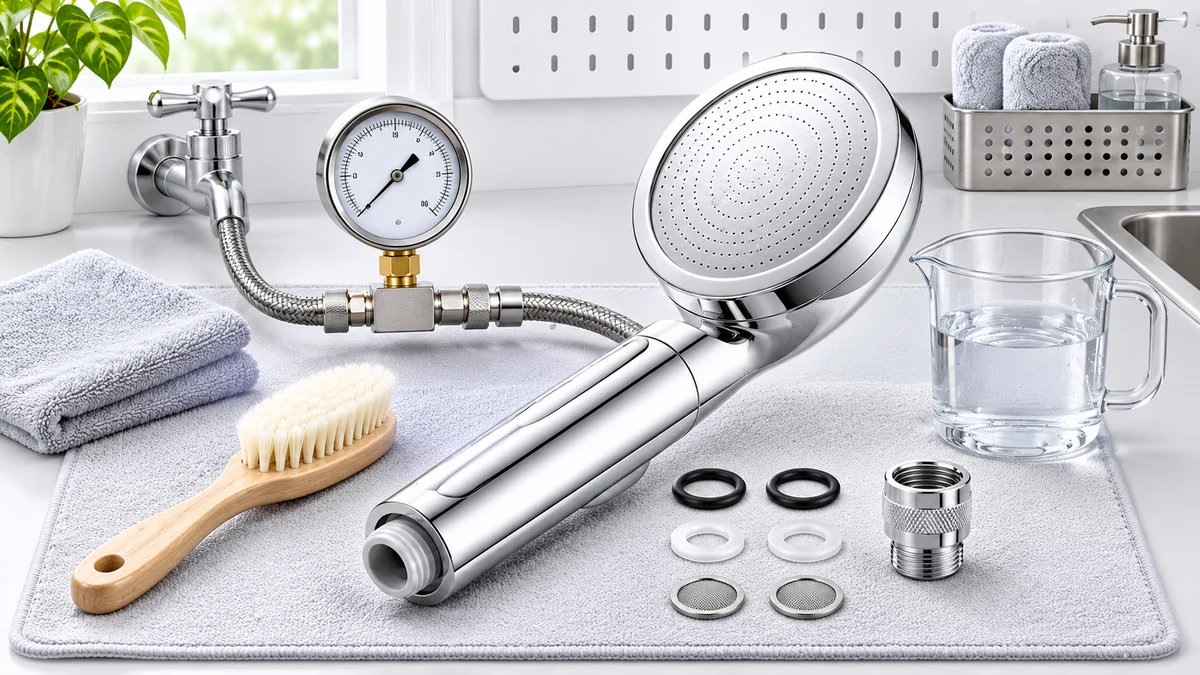
November 12, 2026
Use a safe diagnostic sequence for lower flow, uneven spray, leaks, noise, or a change in visible outlet behavior.
Read guide →
November 11, 2026
Bubble diameter and bubble concentration describe different properties. Learn how weighting, range, controls, and sample handling affect the result.
Read guide →
November 10, 2026
Review bubble data, pressure, flow, connections, materials, water conditions, service requirements, and evidence before sourcing a generator.
Read guide →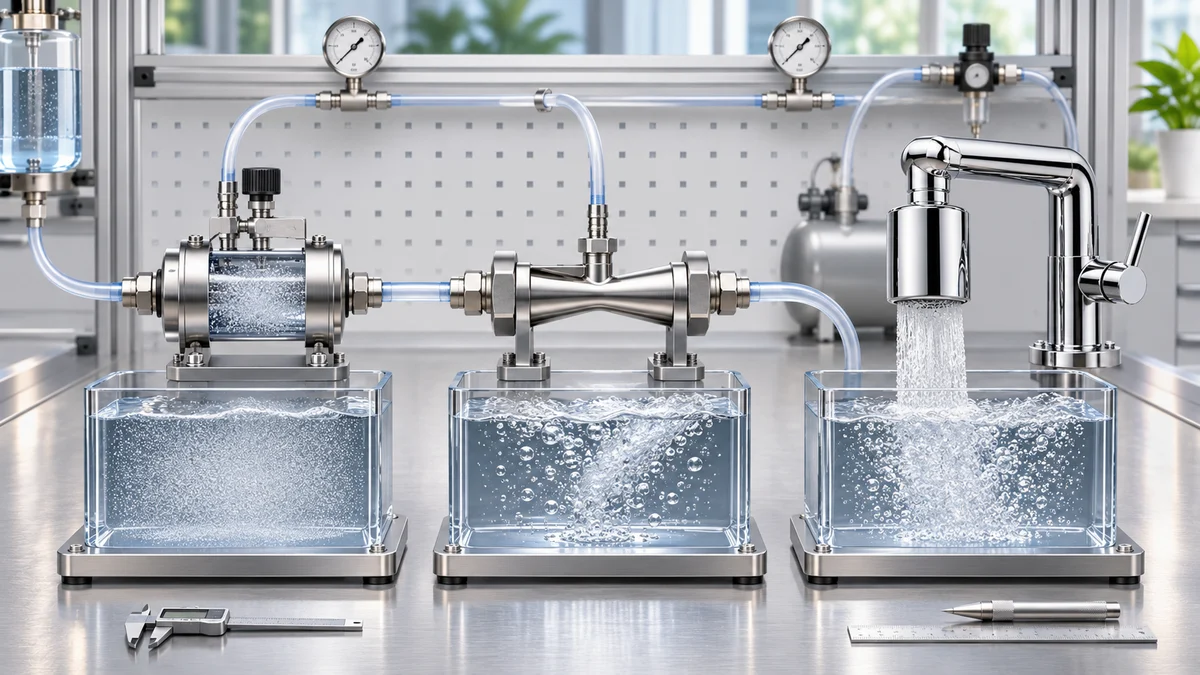
November 9, 2026
Compare a microbubble generator, Venturi injector, and faucet aerator by purpose, installation, operating conditions, evidence, and maintenance.
Read guide →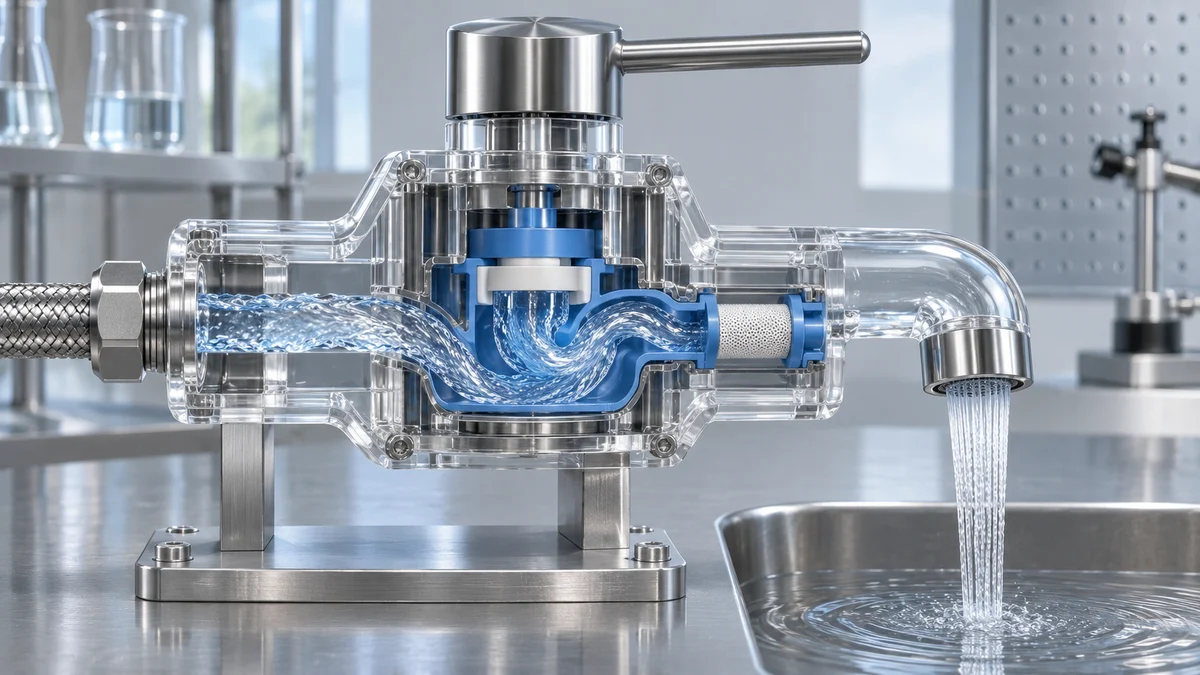
November 8, 2026
Follow water from the inlet through mixing, restriction, bubble formation, delivery, and sampling in a household microbubble fixture.
Read guide →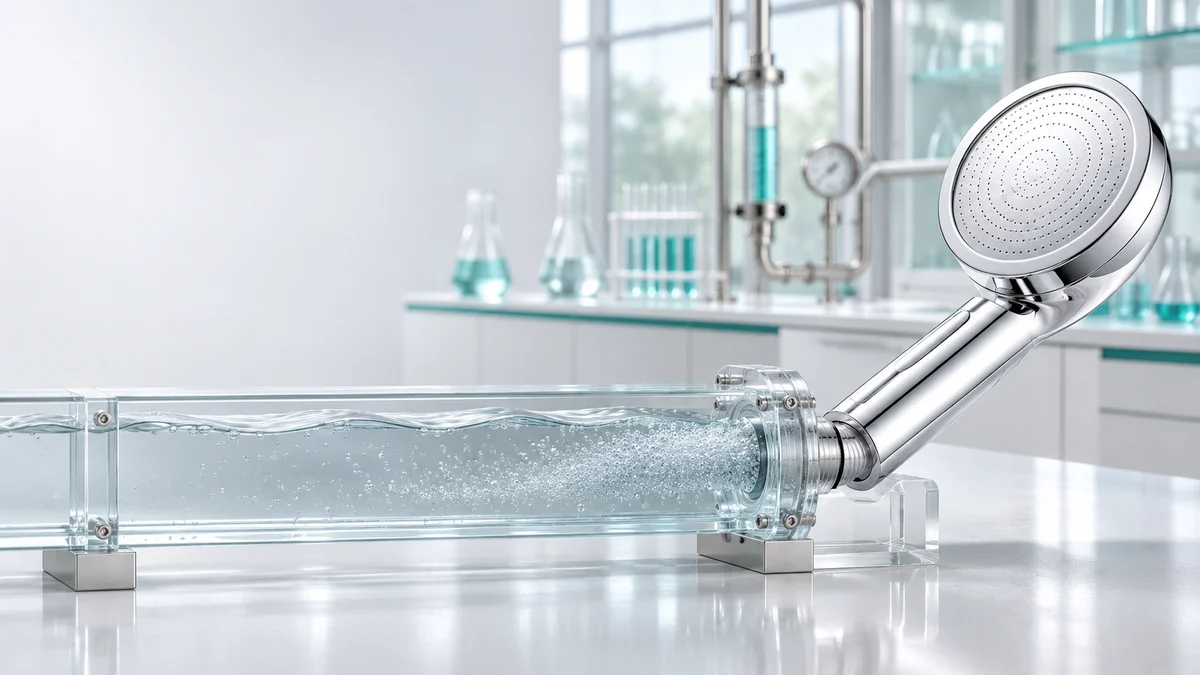
November 7, 2026
Understand the main features of microbubbles: size range, surface area, buoyancy, lifetime, measurement, practical uses, and important limitations.
Read guide →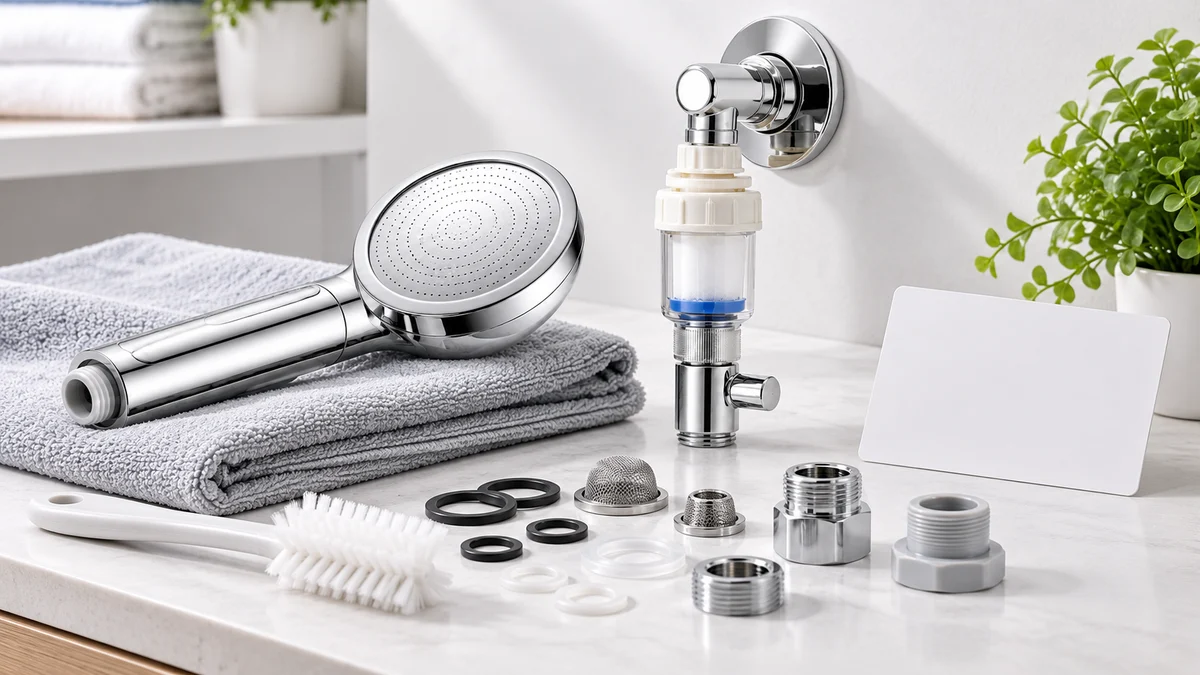
October 29, 2026
Compare purchase price with cleaning time, filters, seals, adapters, spare parts, downtime, shipping, warranty, and technical support.
Read guide →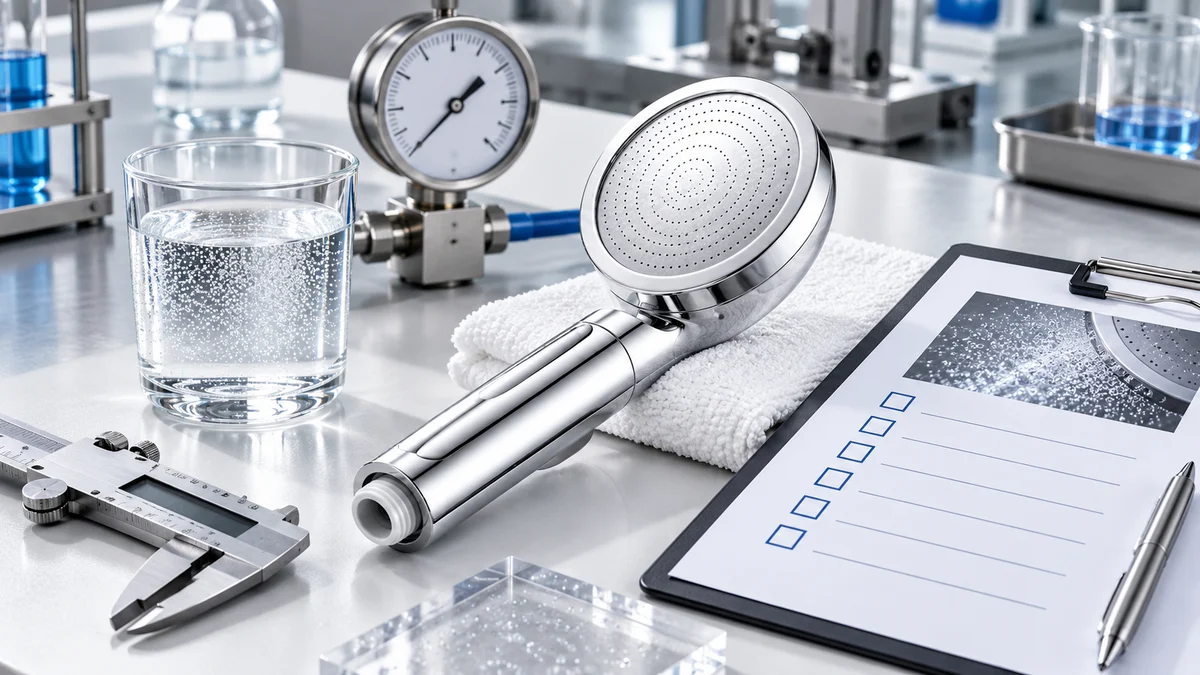
October 28, 2026
Use seven questions to connect a microbubble claim to the exact model, method, conditions, result, comparison, limitation, and practical support.
Read guide →
October 27, 2026
Fine-bubble water may support a water-first routine, but it does not justify removing necessary cleaners or making an unmeasured percentage claim.
Read guide →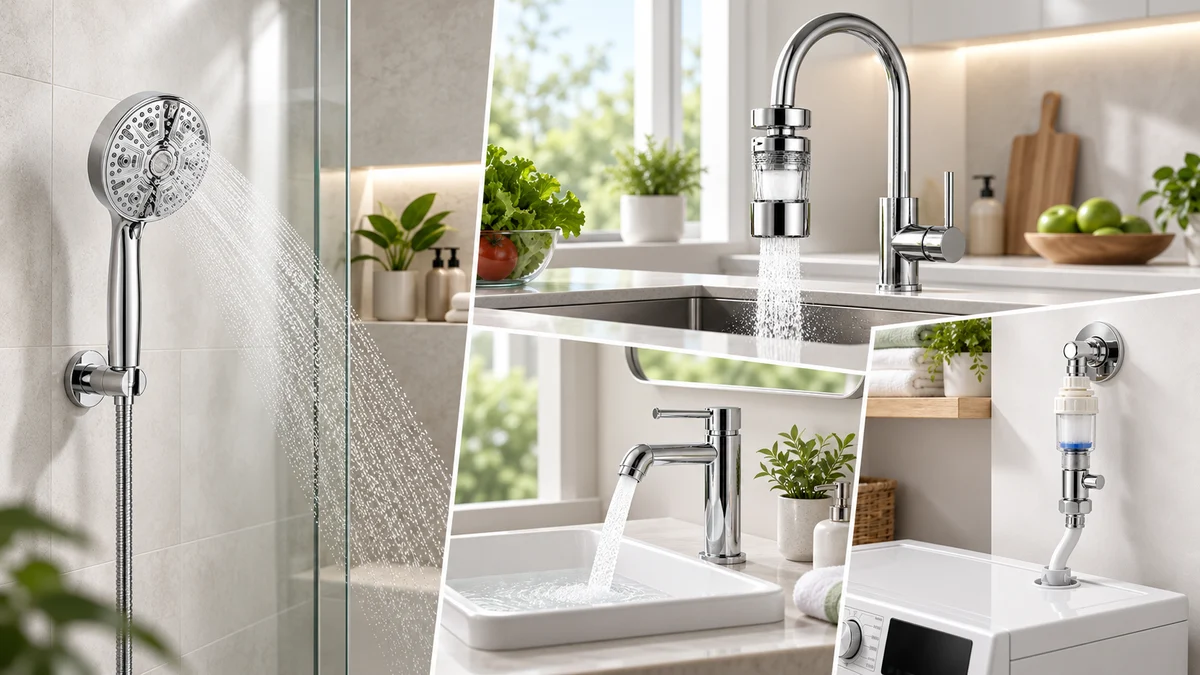
October 26, 2026
Compare four point-of-use microbubble products by task, connection, evidence, maintenance, and the household problem each is meant to address.
Read guide →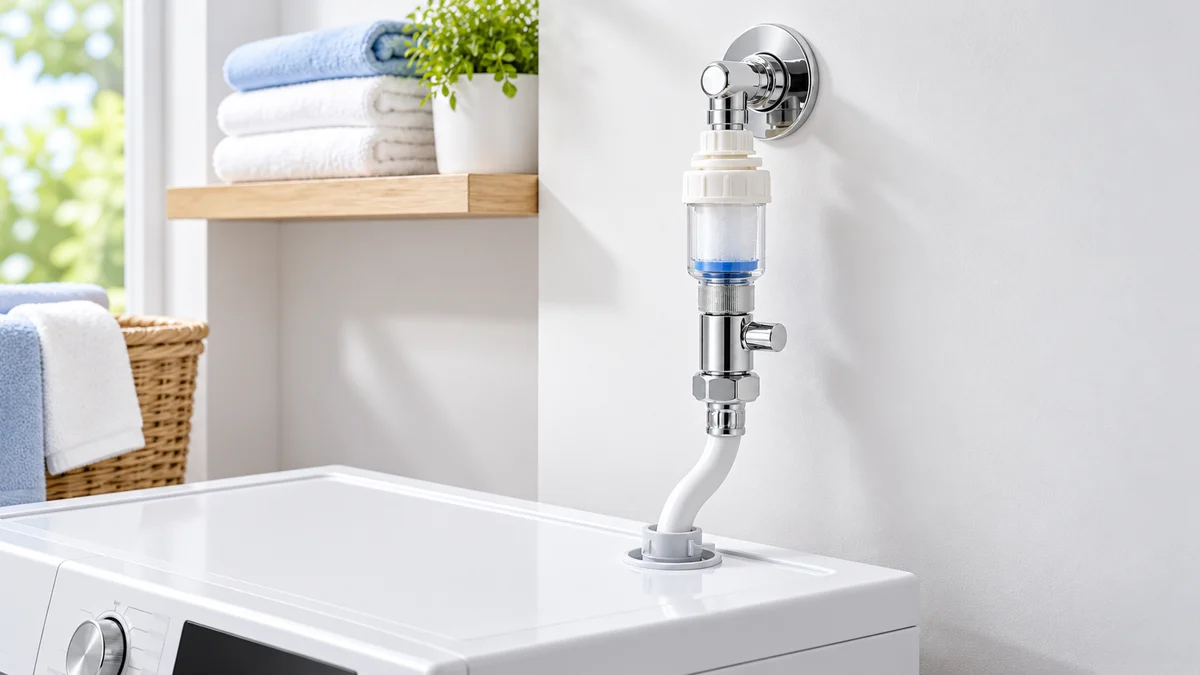
October 25, 2026
Confirm thread, hose, valve, clearance, pressure, leak protection, materials, and local installation requirements before adding a laundry faucet generator.
Read guide →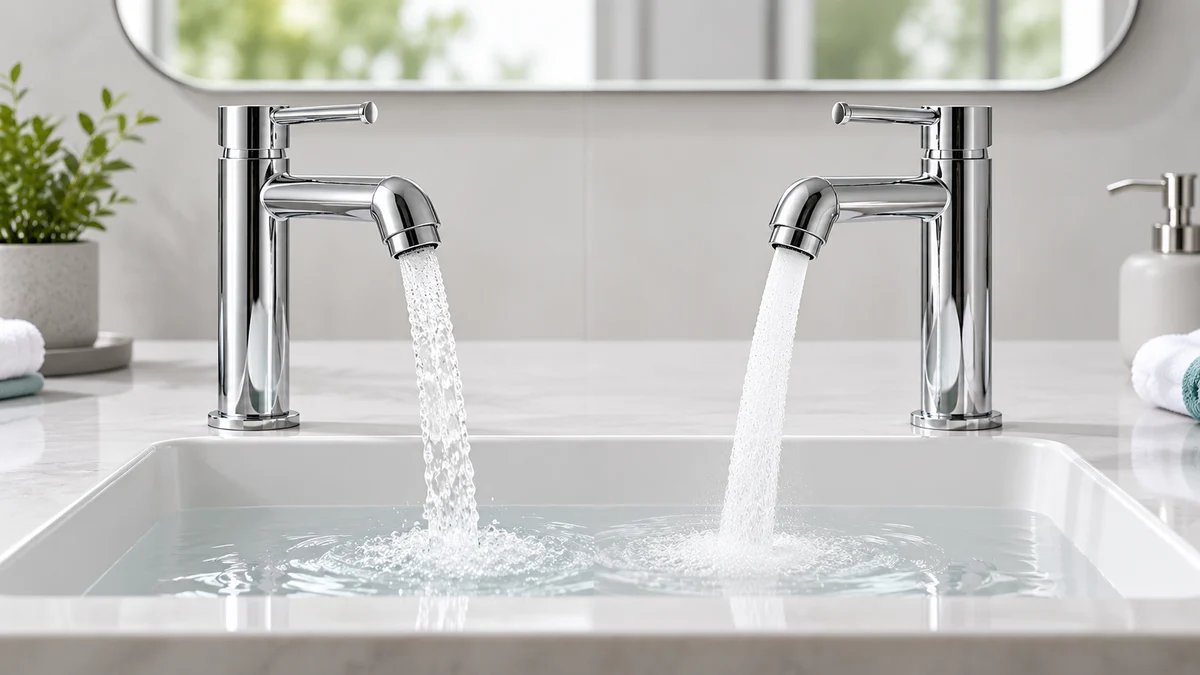
October 24, 2026
A standard aerator and a microbubble faucet may both mix air and water, but their structure, intended result, evidence, and maintenance can differ.
Read guide →
October 23, 2026
Check connection, spray pattern, flow, maintenance, materials, test evidence, replacement parts, and support before choosing a microbubble kitchen faucet.
Read guide →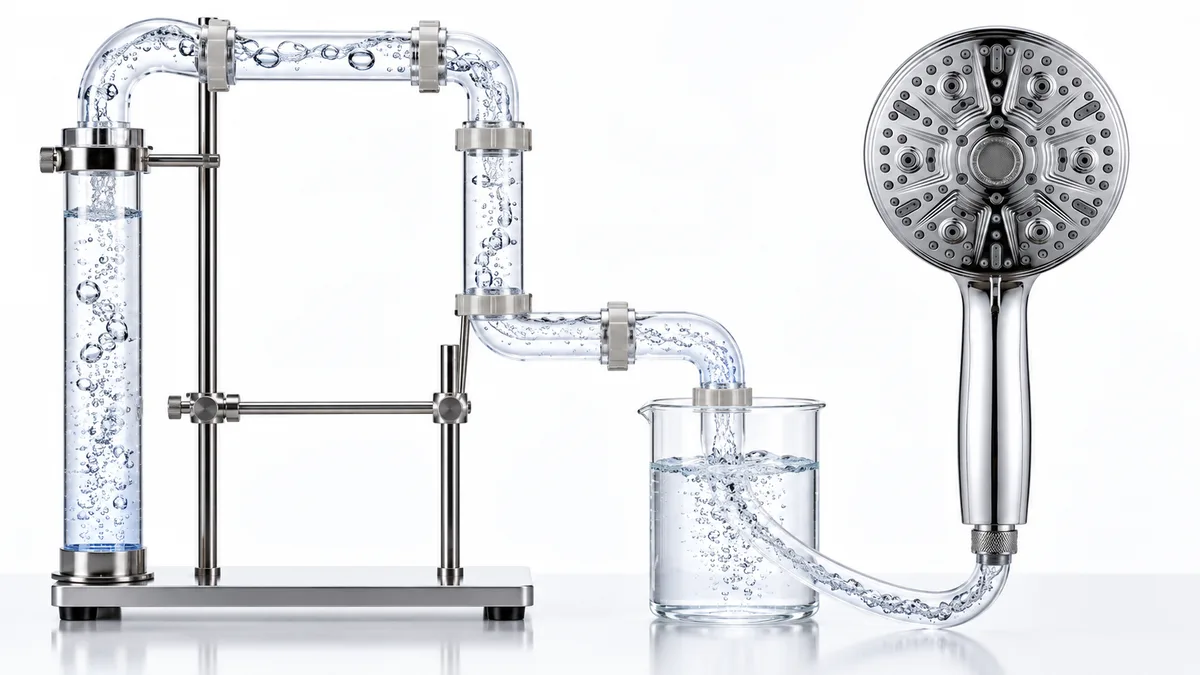
October 19, 2026
Bubbles measured near a generator may not be identical to those sampled after tubing, restrictions, time, and a shower outlet.
Read guide →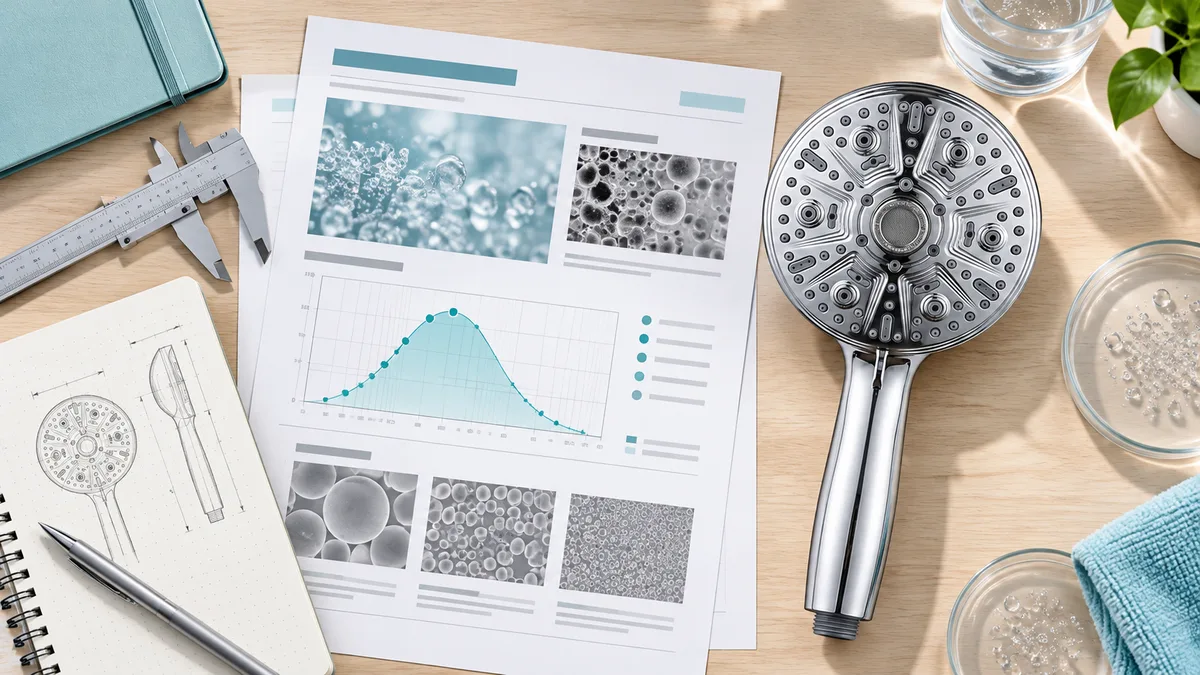
October 18, 2026
A useful test report identifies the sample, method, operating conditions, result, uncertainty, and limits. A certificate image alone is not enough.
Read guide →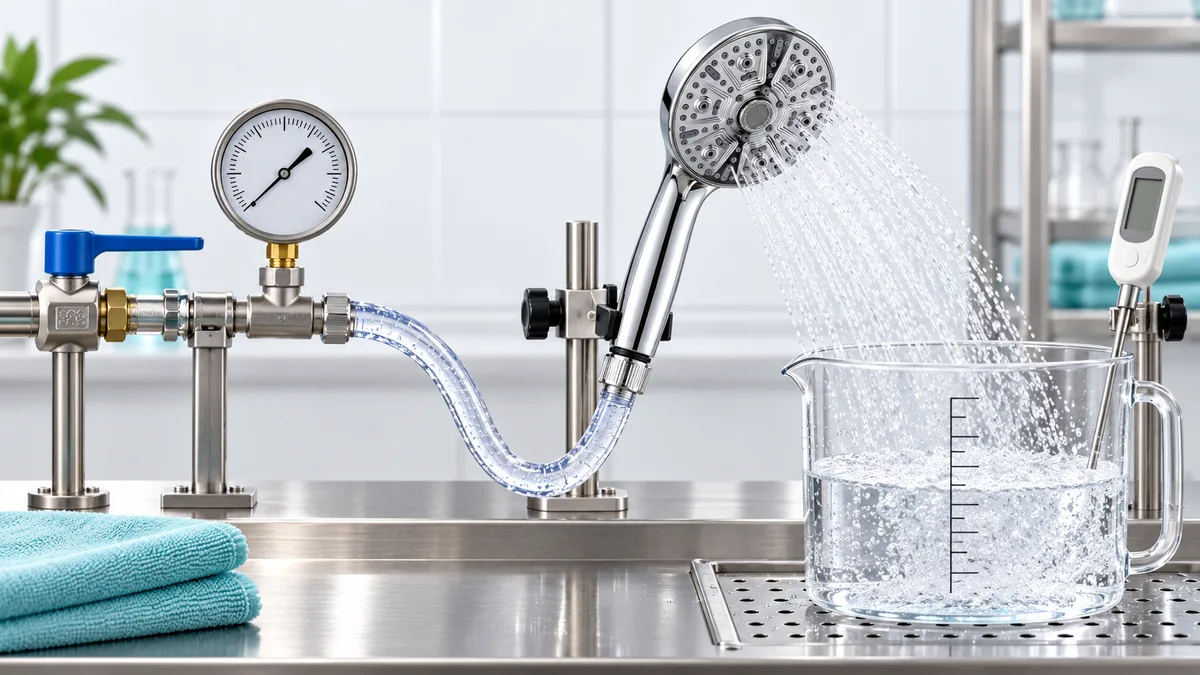
October 17, 2026
A bubble result only applies to the conditions under which it was measured. Pressure, flow, temperature, gas supply, and sampling time should be reported.
Read guide →
October 16, 2026
Bubble-size reports depend on the instrument, sample preparation, calculation model, and the distinction between gas bubbles and other particles.
Read guide →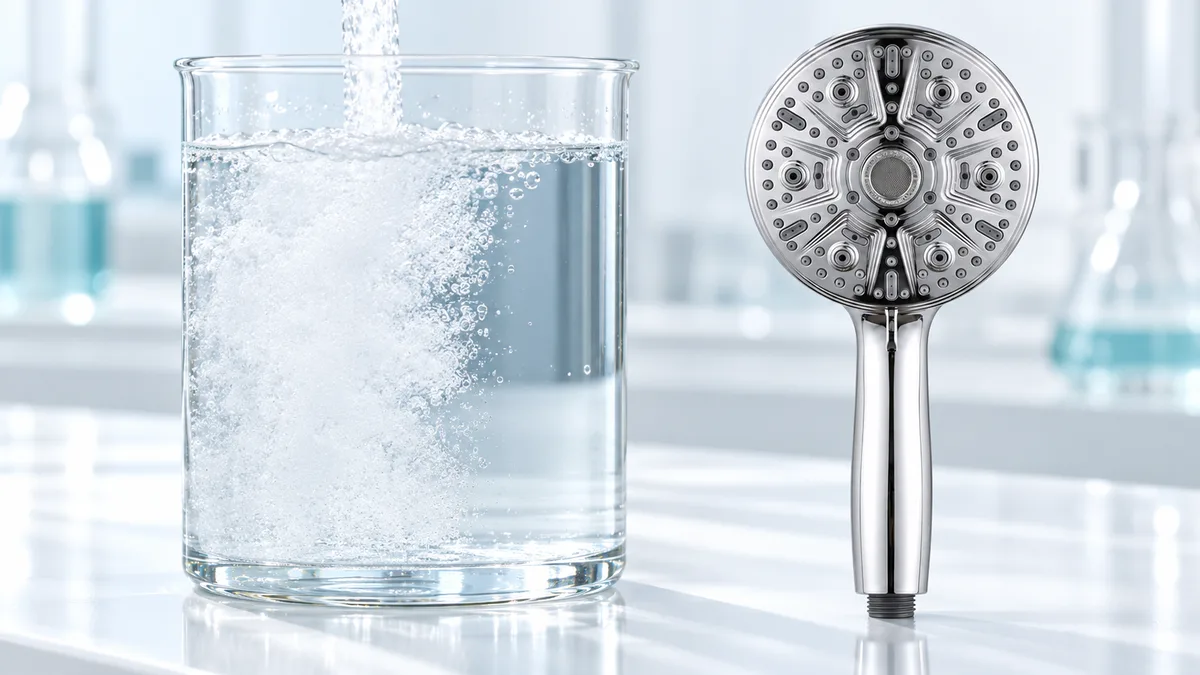
October 15, 2026
Cloudy water may contain visible bubbles, but appearance alone cannot identify ultrafine bubbles or establish their concentration.
Read guide →
October 14, 2026
Professional groomers discuss microbubble systems, but price, workflow, maintenance, noise, flow, and evidence matter more than the label alone.
Read guide →
October 13, 2026
User experiences can suggest questions, but they do not prove that a shower head treats skin or hair conditions. Evaluate the water claim, product evidence, and limitations separately.
Read guide →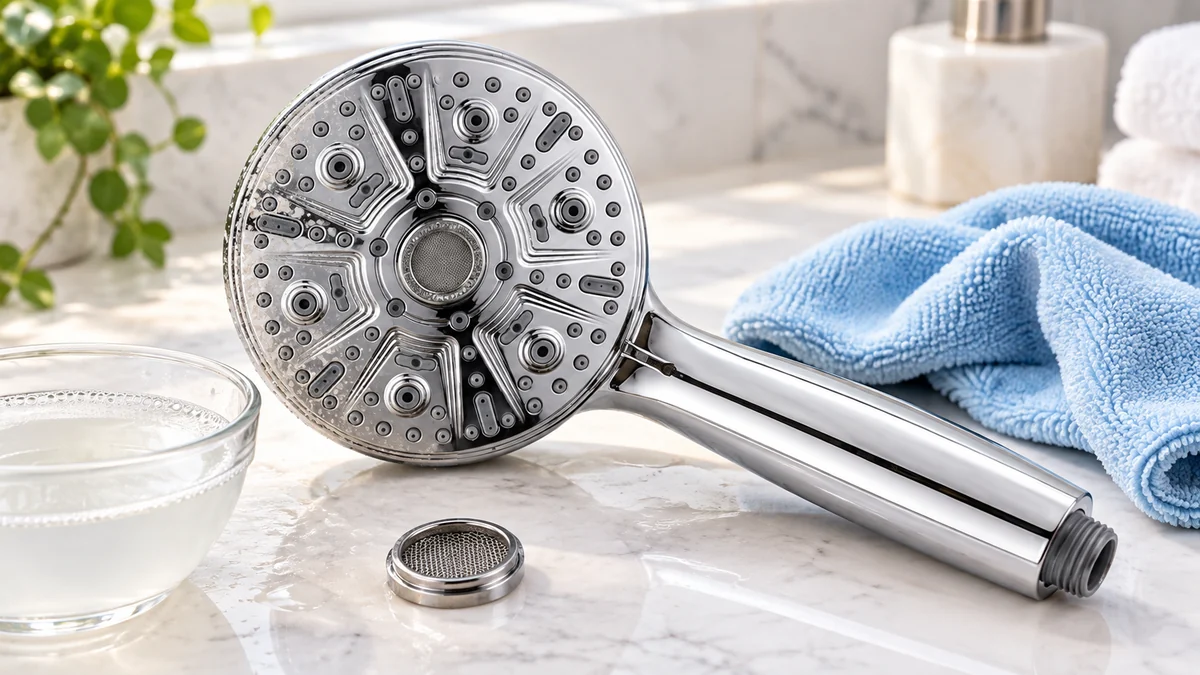
October 12, 2026
Hard-water scale can restrict outlets, but strong acids, long soaking, and abrasives may damage plating and seals. Start gently and follow the model instructions.
Read guide →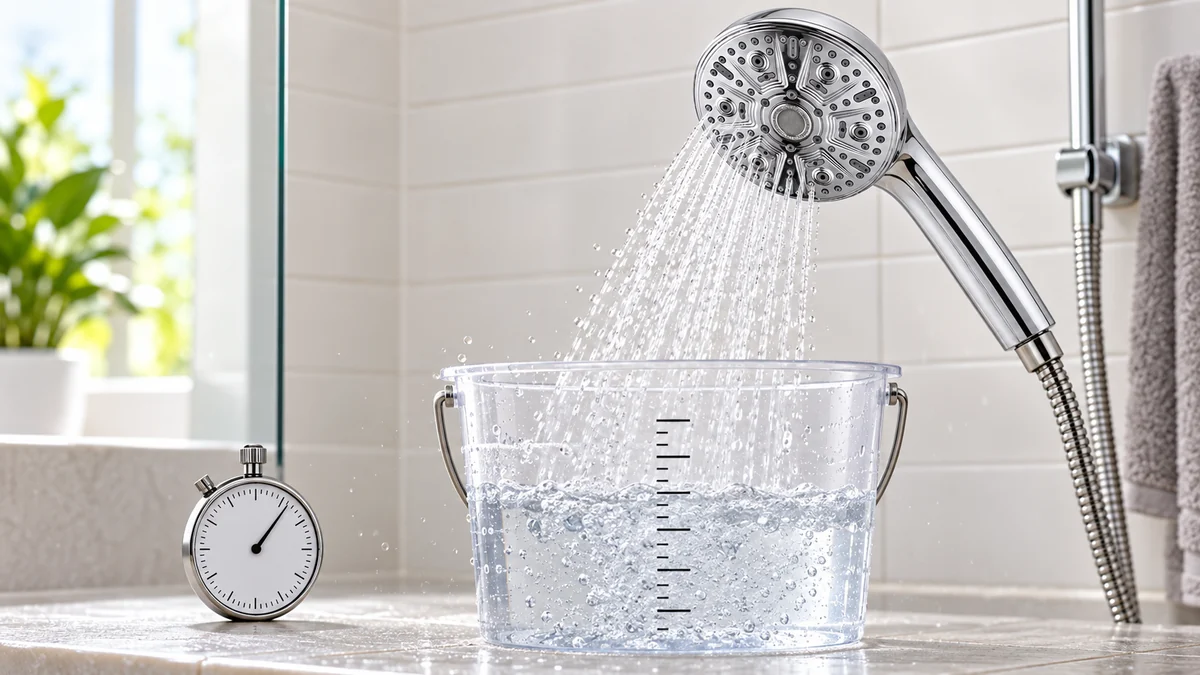
October 11, 2026
A container-and-timer test can estimate shower flow at home. Use the same conditions when comparing two heads or diagnosing a change.
Read guide →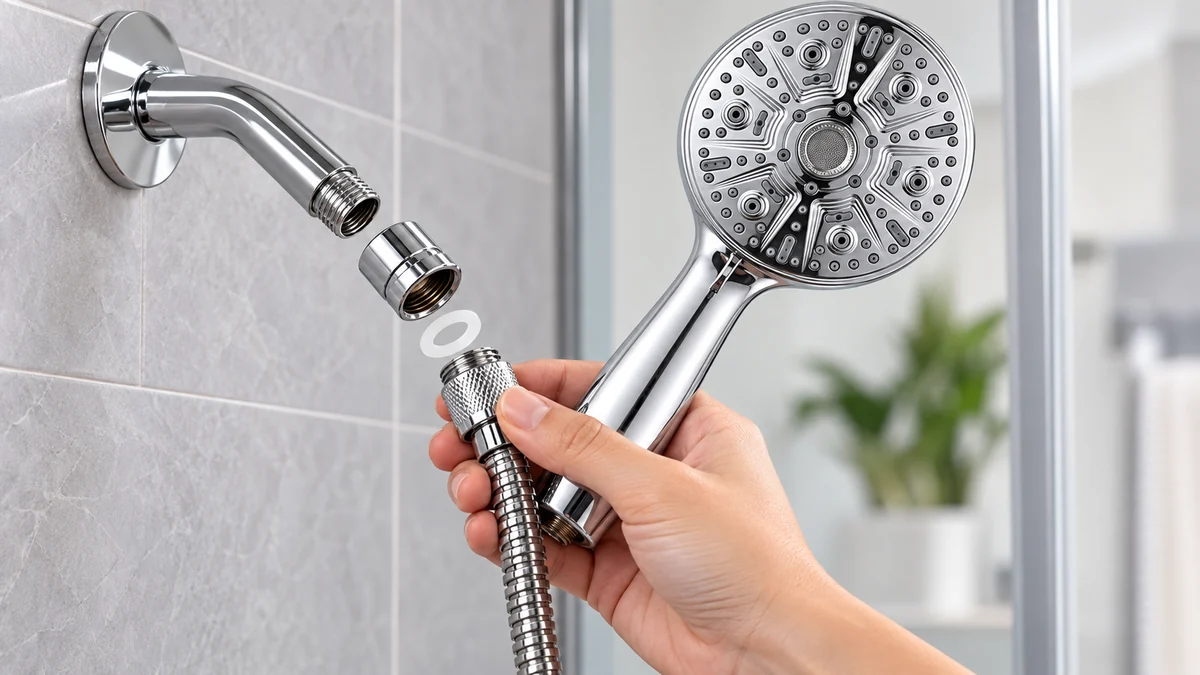
October 10, 2026
Renters can often replace a removable shower head without permanent changes, but the connection, seal, weight, and lease conditions still matter.
Read guide →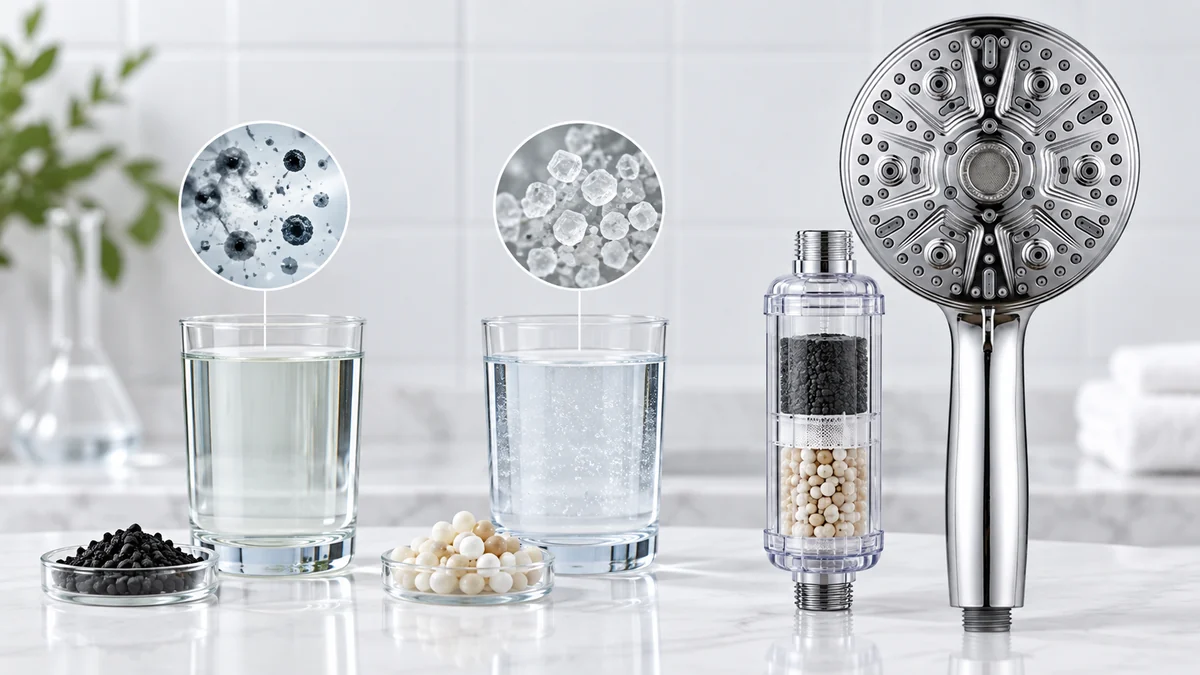
October 9, 2026
Chlorine reduction and hardness reduction are different claims. Learn how to read filter media, certification, flow, and service-life information.
Read guide →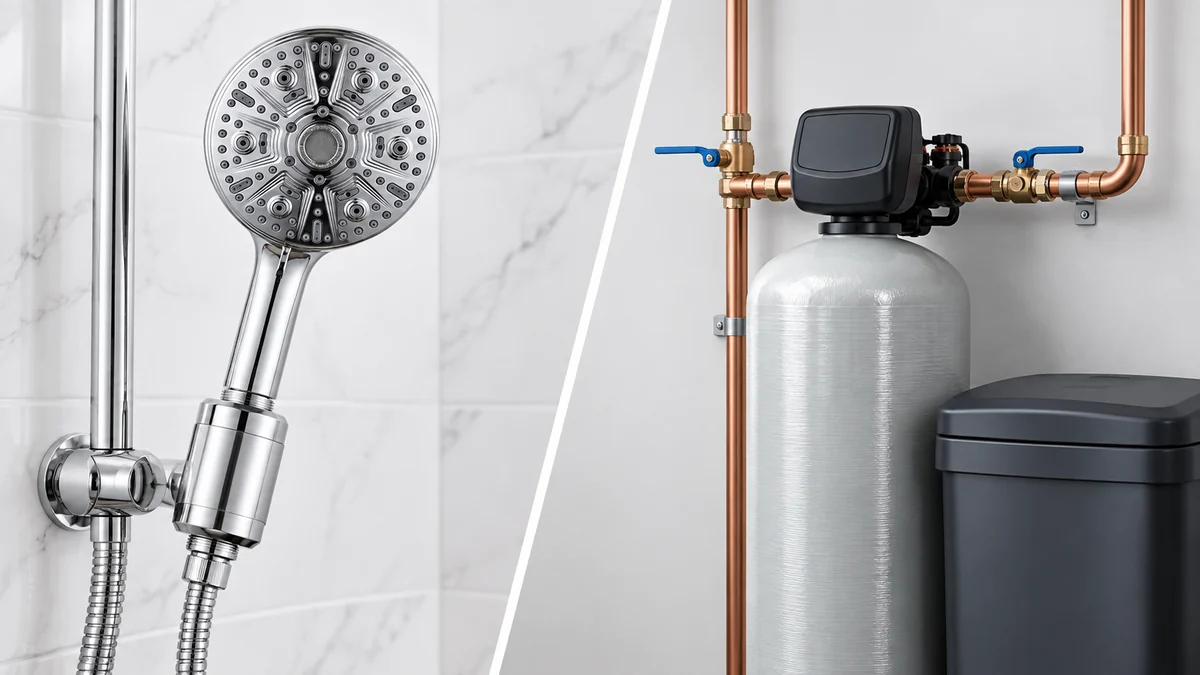
October 8, 2026
A shower filter and a water softener solve different water problems. Learn what each device is designed to change before spending money.
Read guide →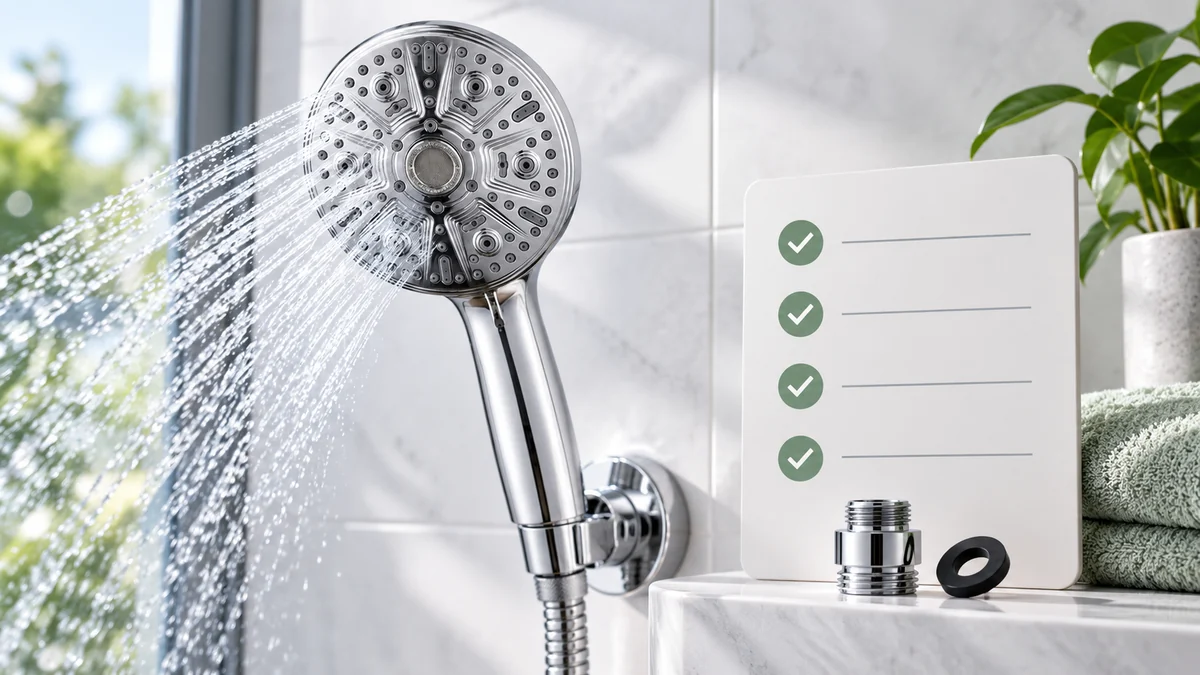
October 7, 2026
A microbubble shower head can be worth considering when it fits your plumbing, spray preference, maintenance expectations, and budget. Use this checklist to separate useful specifications from broad claims.
Read guide →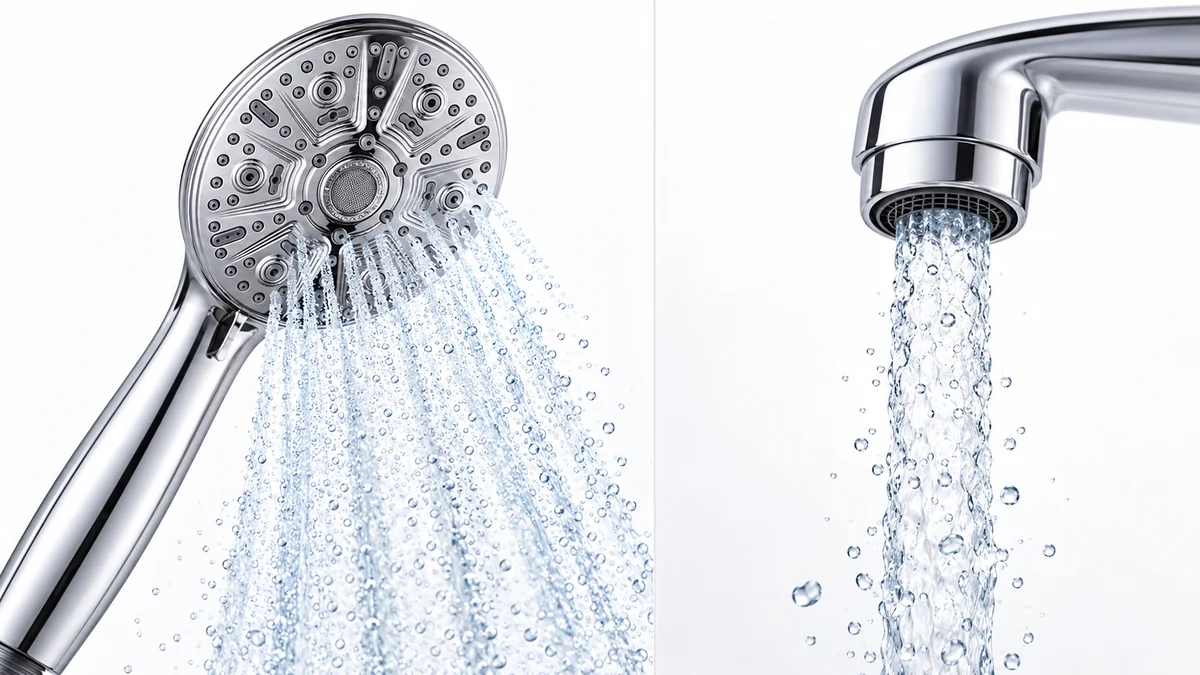
October 6, 2026
Both devices mix air and water, but their outlet design, application, flow pattern, evidence, and maintenance are different. Here is what to compare before buying.
Read guide →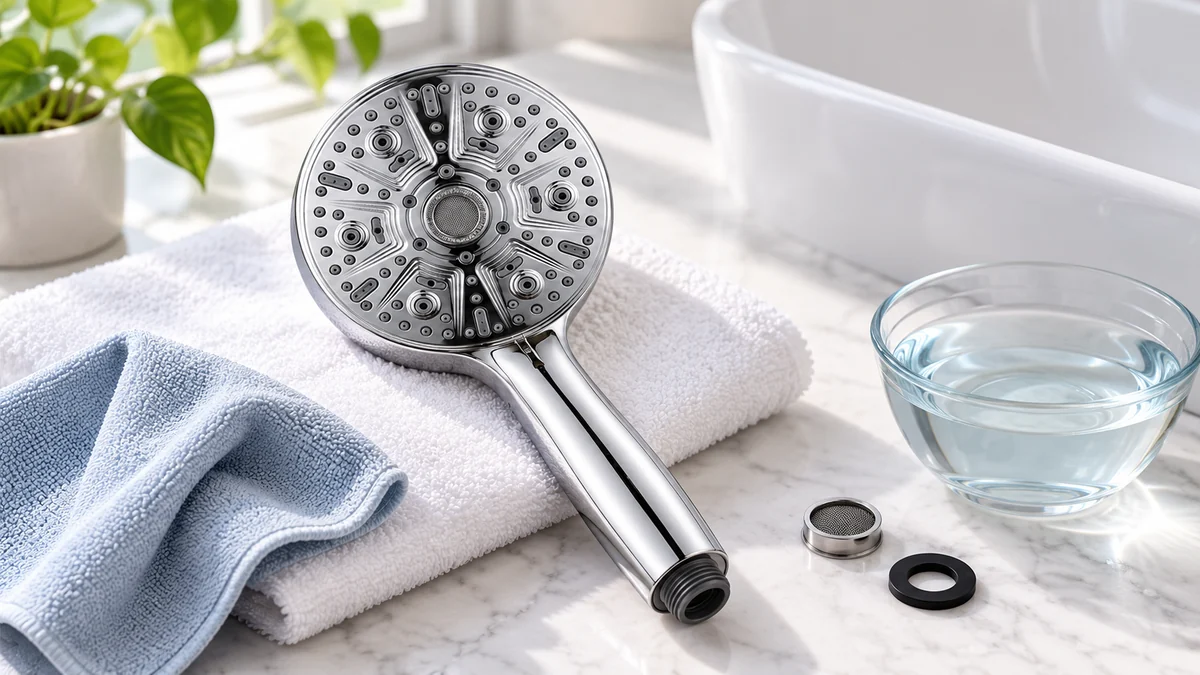
October 5, 2026
Regular inspection and gentle cleaning help maintain even spray and flow. Follow the exact model instructions and avoid harsh chemicals that can damage finishes and seals.
Read guide →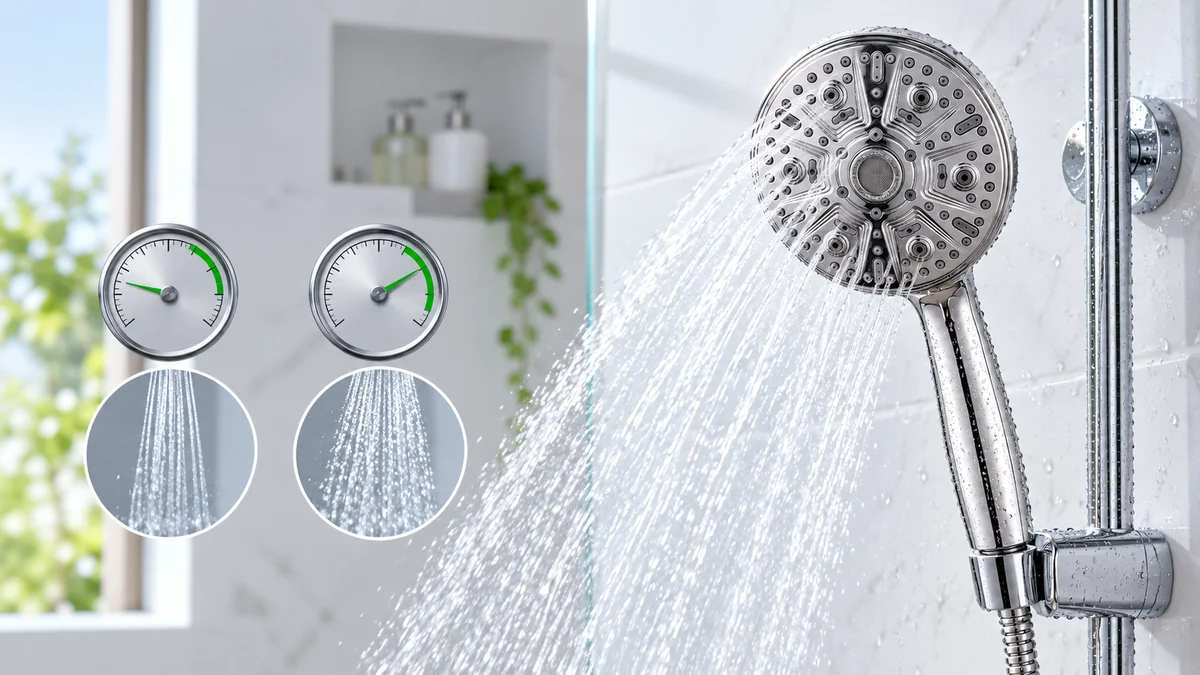
October 4, 2026
A shower head changes flow and spray velocity, but pressure and flow are not the same. Learn how plumbing conditions, restrictions, and maintenance affect the experience.
Read guide →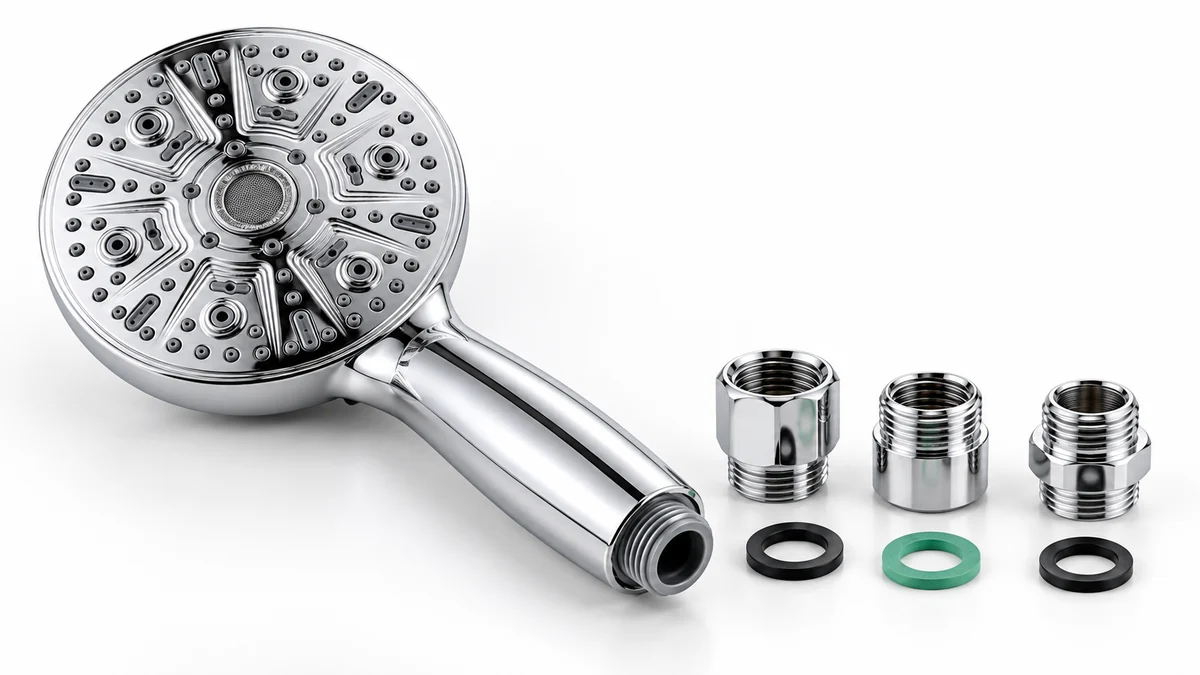
October 3, 2026
Confirm the shower hose, arm, thread standard, seal, and adapter before installation. Similar-looking connections are not always interchangeable.
Read guide →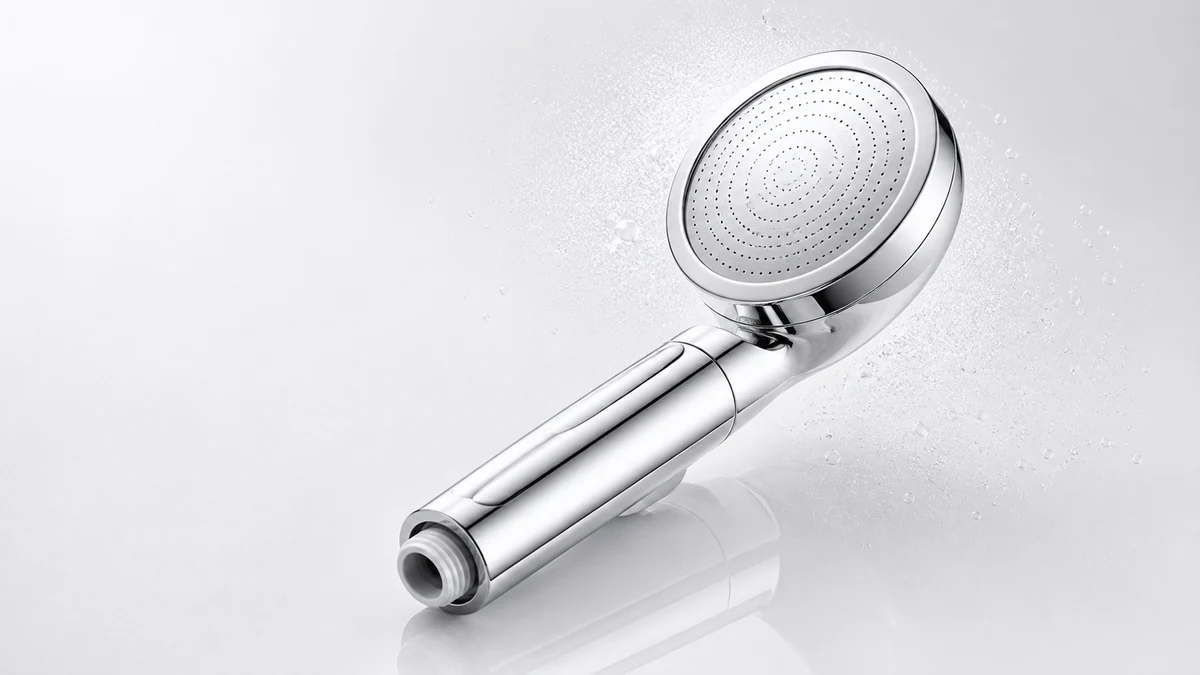
October 2, 2026
Choose a nano bubble shower head by installation fit, pressure and flow, spray experience, materials, maintenance, evidence, warranty, and replacement support.
Read guide →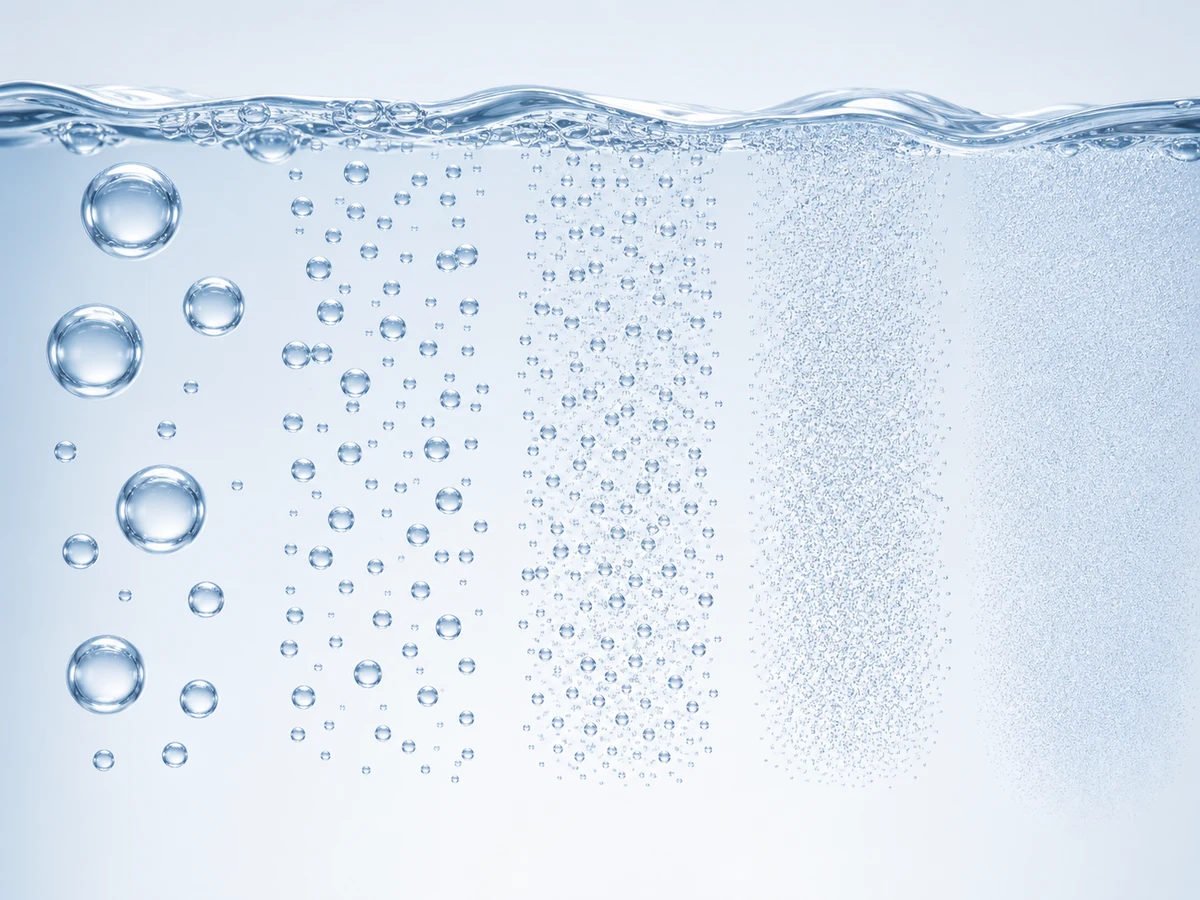
October 1, 2026
Fine bubble is an umbrella term, while microbubble and ultrafine bubble describe different size ranges. A product label alone does not prove bubble size or concentration.
Read guide →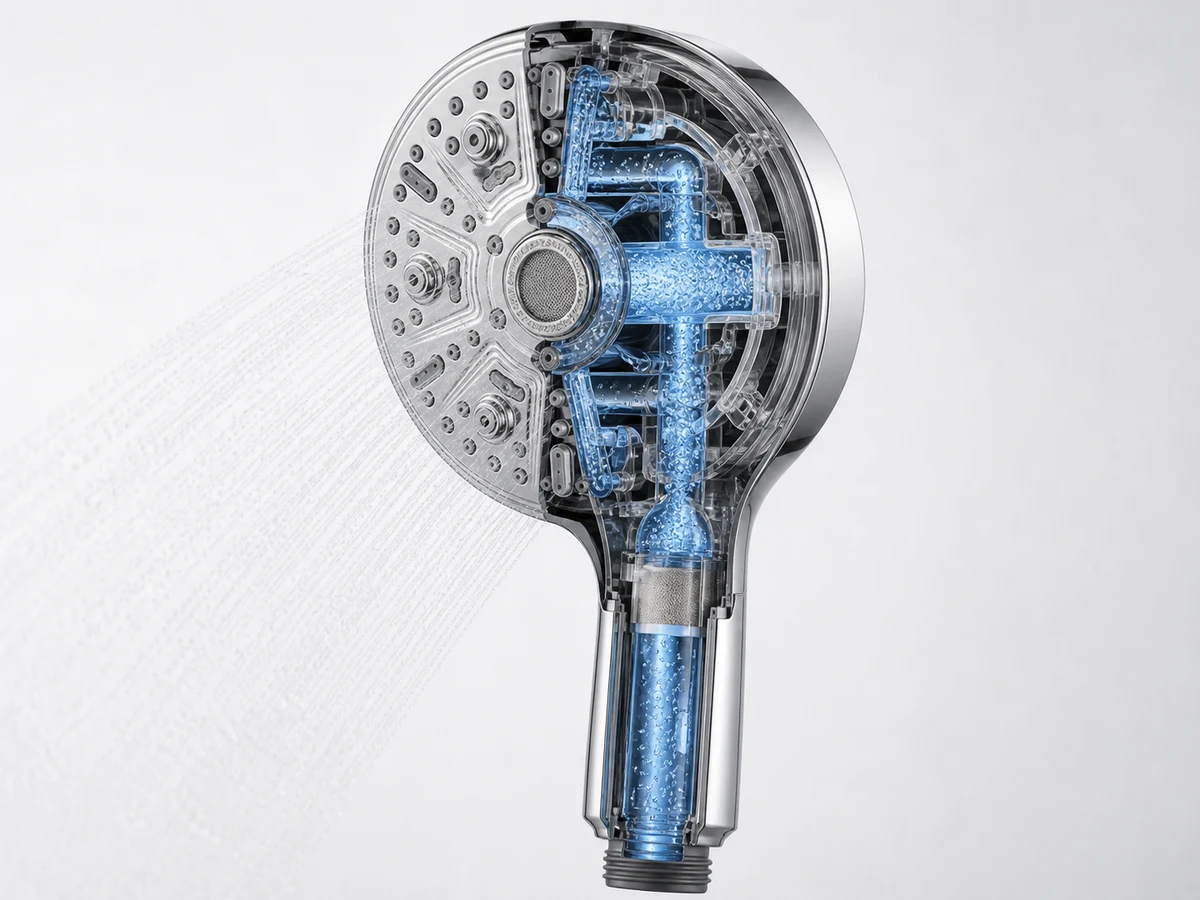
September 30, 2026
Replace only the cartridge specified for the exact shower-head model. Learn how to identify the part, inspect flow problems, and avoid incompatible replacements.
Read guide →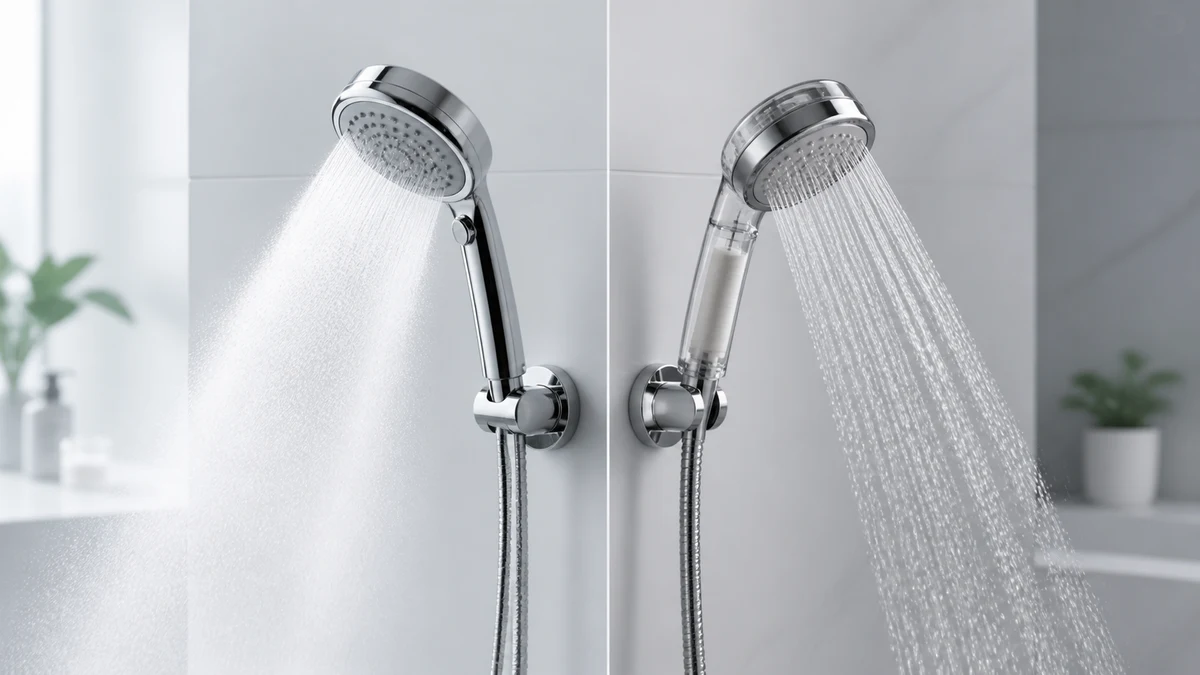
September 29, 2026
A microbubble mechanism changes the water flow by mixing air and water, while a shower filter uses a specified medium to reduce specified substances. Learn what to verify before buying.
Read guide →